
Application
Magnetic Separators for Ceramic Glaze, Slip & Body
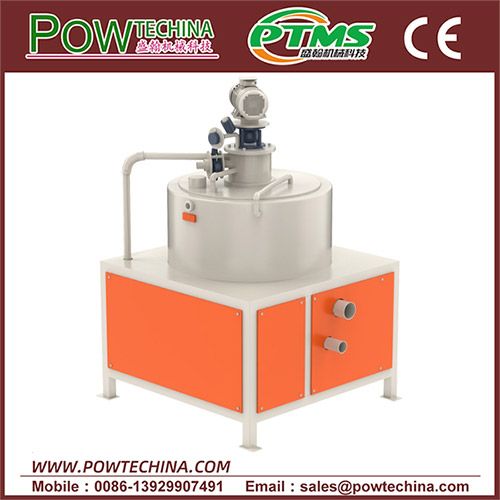
PTMS ceramic slurry separators remove iron powder and fine magnetic particles from glaze, slip and body before firing, reducing black spots and raising first-quality yield for tile, sanitaryware and tableware.
The problem
- Iron specks in glaze and body show up as black spots after firing, the most visible ceramic defect and a source of customer complaints.
- Ceramic raw materials such as kaolin, feldspar, quartz and bentonite carry iron impurities into the glaze and body.
How PTMS solves it
Wet electromagnetic slurry separators pull iron out of glaze and body slurry before firing. They work fully automatically: high, even magnetic field and gradient, forced water cooling (about 20 °C lower coil temperature on published models), and iron discharge by vibration and high-pressure water flushing. Dry powders and frit can be cleaned with dry electromagnetic or permanent magnetic separators.
Recommended PTMS models
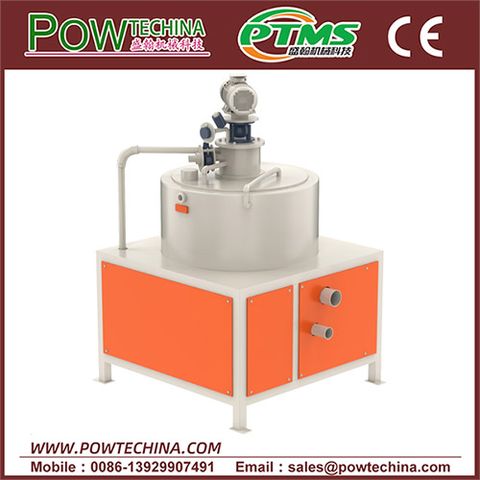 Electromagnetic Magnetic Separator for Ceramic GlazeElectromagnetic Separators
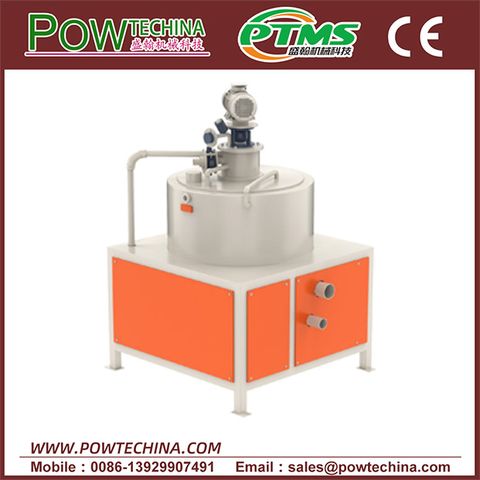 Wet Slurry Magnetic Separator for Ceramic SlurryWet / Slurry Magnetic Separators
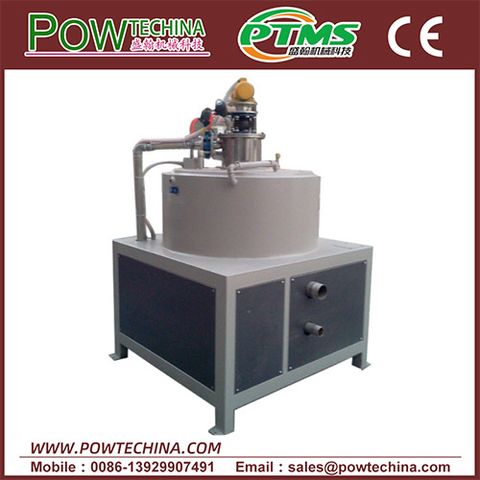 Electromagnetic Slurry Magnetic Separator SeriesElectromagnetic Separators
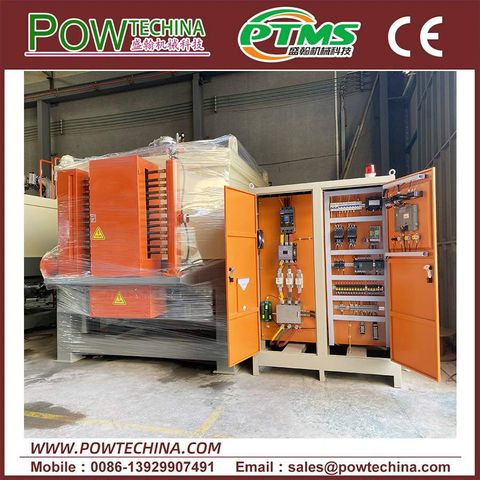 Water-Cooled Electromagnetic Separator SeriesWet / Slurry Magnetic Separators
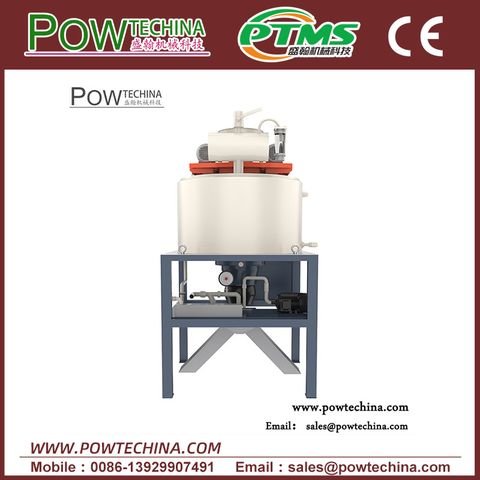 Electromagnetic Bentonite Powder Magnetic SeparatorDry Powder Magnetic Separators
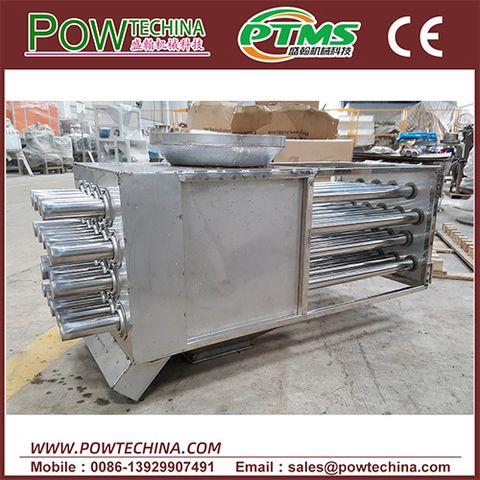 Permanent Magnetic Iron Removal Box SeriesPermanent Magnetic Separators
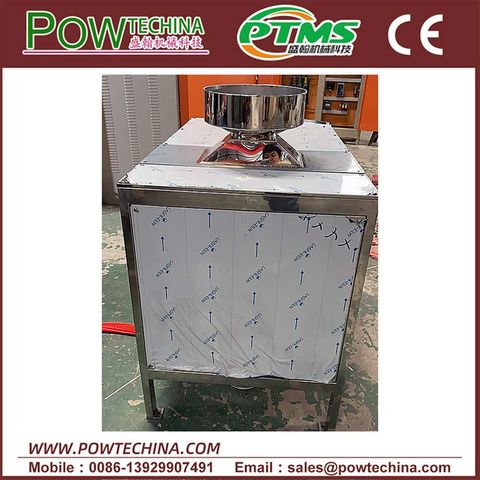 Permanent Magnet Machine (Drawer Type)Drawer Type Magnetic Separators
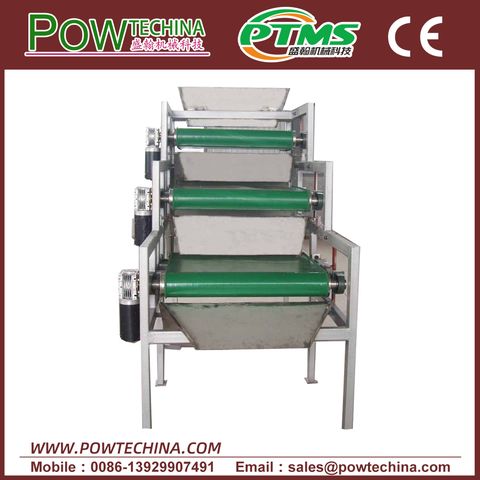 Permanent Magnetic Belt Magnetic SeparatorPermanent Magnetic Separators
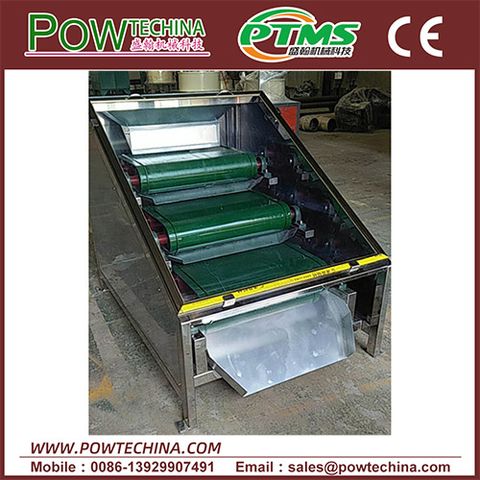 Belt Conveyor Type Magnetic SeparatorConveyor Belt Magnetic Separators
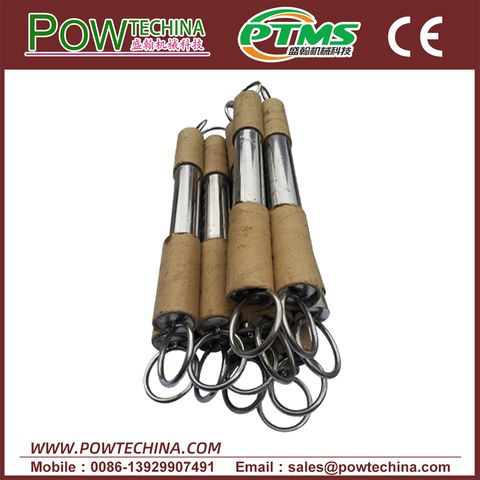 Magnet Roller with HangerMagnetic Bars & Rollers
Typical process
- Raw material control Clean raw powders (kaolin, feldspar, quartz, bentonite) with dry or permanent separators.
- Slurry preparation Glaze and body slurry are prepared and sieved.
- Electromagnetic separation Slurry passes through the electromagnetic slurry separator; iron sticks to the matrix.
- Automatic flushing Valves switch, the field turns off and the matrix is flushed by vibration and high-pressure water.
- Storage / use Clean slurry goes to storage or production.
General sequence based on PTMS ceramic glaze separator operation. We adapt it to your plant layout.
Reference projects
- Slurry Electromagnetic Separator 8,000 GS for ceramic glaze: Supplied in China for ceramic glaze iron removal.
- Slurry Electromagnetic Separator 10,000 GS for ceramic glaze: Supplied in China for ceramic glaze iron removal.
More project photos on our projects page.
Ceramics (Glaze & Slip): buyer questions
Which separator do you recommend for ceramic glaze?
The Electromagnetic Magnetic Separator for Ceramic Glaze (WS series). The published table covers WS1.5K160 to WS20K400 with 2–3.5 T magnetic separation intensity, 89–400 mm magnetic cavity and production from 0.2–0.5 t (WS3K89) to 20–60 t (WS20K400).
Do you have a small model for glaze lines?
Yes. The published WS3K89 has an 89 mm magnetic cavity, 3 kW coil power and a production of 0.2–0.5 t; the WS1.5K160 runs on 220 V.
How is the separator cleaned?
Automatically: iron is removed by vibration and high-pressure water pump flushing, and the matrix has no residual magnetism after the coil is switched off, so no manual cleaning is needed.
Can it remove iron from bentonite and other dry ceramic powders?
Yes. The Electromagnetic Bentonite Powder Magnetic Separator is a dry electromagnetic machine with a published field strength of up to 18,000–35,000 GS for feldspar, bentonite, quartz and kaolin powders.
Will a magnetic separator reduce black spots on my tiles?
Magnetic separation removes the iron particles that cause black spots after firing. The improvement depends on where your iron comes from, so we test your glaze or slip first.
Send us your material. We test it free.
Tell us your material, particle size, capacity and target iron level. We usually reply with a matched model and price within 24 hours.